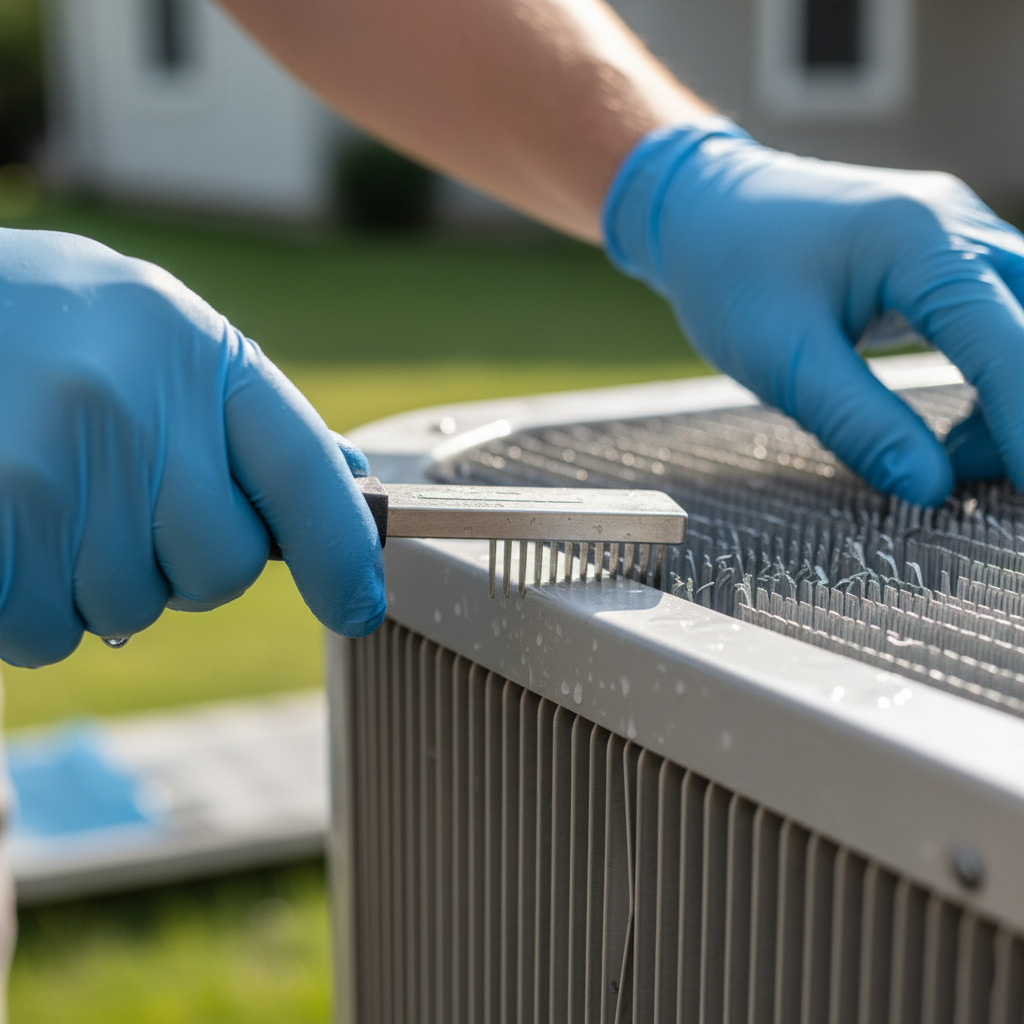
The mercury dips below 60 degrees in Tampa, and most folks are pulling out their flip-flops… but you? You're hearing a little whisper from your furnace. A subtle groan. A faint rumble. Don't mistake that sound for just the wind.
Because while our winters aren't exactly Arctic blasts, a cold snap in a house without working heat feels just as bone-chilling. Many Tampa residents completely forget their heating system exists until it’s absolutely essential, and by then, it's often screaming for help.
Ignoring those early warning signs from your gas furnace isn’t just a gamble; it's a direct invitation for a full-blown breakdown exactly when you need warmth the most. Let’s talk about why paying attention now can save you a whole lot of discomfort and cash later.
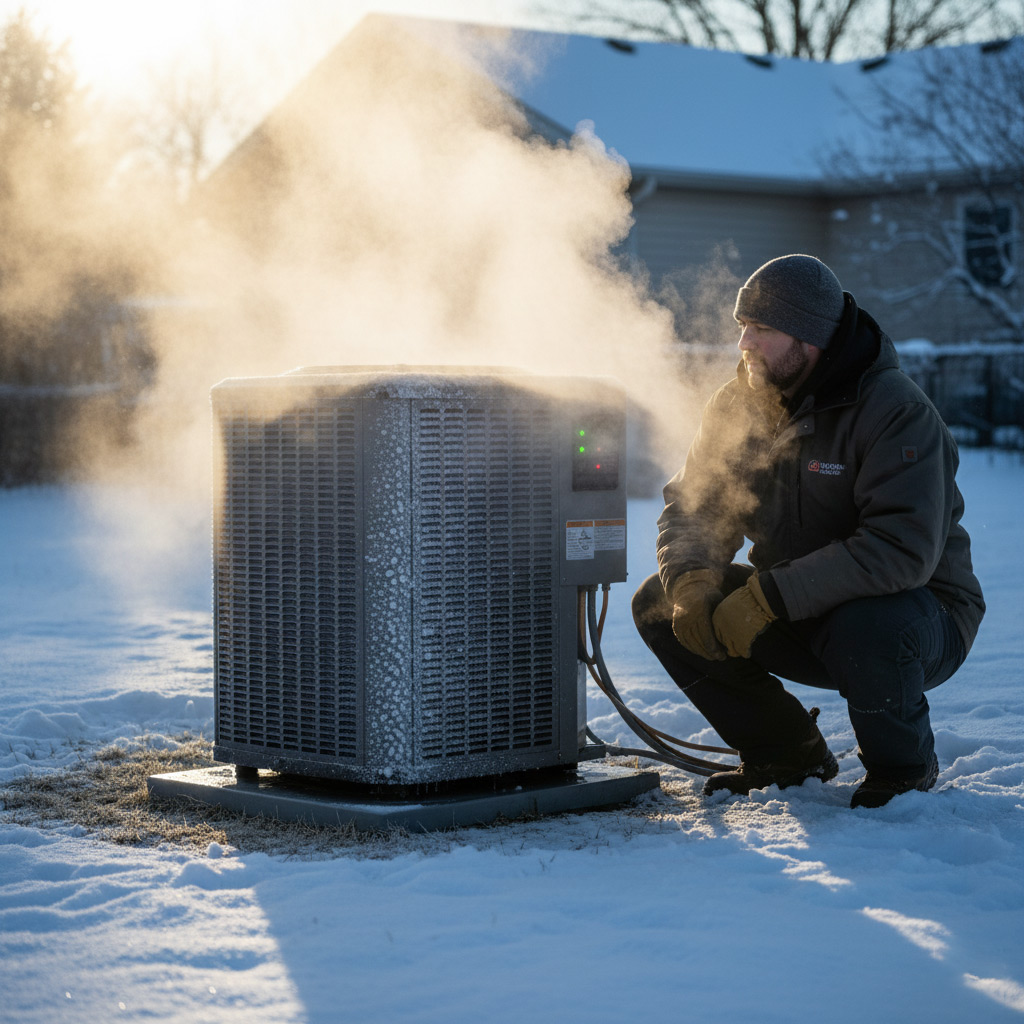
Tampa's Underestimated Chill: Why Your Furnace Matters More Than You Think
Sure, our 'winter' isn't like New York's. We don't shovel snow or battle blizzards. But when that mercury dips into the 50s, especially overnight, your home can quickly feel like a walk-in refrigerator. That deep chill seeps into your bones, making everyday activities a lot less pleasant and sleep a distant dream.
It’s easy to shrug off your furnace here in Tampa. For eight months out of the year, it sits quiet, collecting dust, almost forgotten. This extended period of inaction, followed by a sudden demand, can put immense strain on a system that hasn't been properly maintained. Ignoring its existence for months then suddenly expecting peak performance is a recipe for trouble.
Ignoring those subtle signals isn't just about temporary discomfort. It's about protecting your health, your peace of mind, and your wallet. A struggling system often means higher energy bills as it works harder to produce less heat. More importantly, it can escalate minor issues into major, costly breakdowns exactly when you need warmth the most. Don't let Tampa's "mild" winters trick you into neglecting a crucial home comfort system.
Listening to Your Heater: Key Warning Signs of a Struggling Gas Furnace
Your gas furnace isn't just a big metal box in the closet; it's a piece of machinery that talks to you. It might not use words, but it certainly sends signals when it’s hurting. Ignoring these early whispers is like muting a smoke alarm – a recipe for disaster.
How does your furnace try to get your attention? It often starts with performance issues or unusual sounds. You might notice uneven heating, where some rooms feel like a sauna and others stay chilly, or a sudden spike in your energy bills because your system is working harder than it should. Keep an ear out for:
- Banging, clanking, or rattling: These sounds can indicate loose components, a failing motor, or even cracks in the heat exchanger.
- Squealing or screeching: Often points to a worn-out fan belt or issues with the blower motor bearings.
- Frequent cycling: If your furnace turns on and off too often, it's inefficient and might be signaling a thermostat problem or an overheating issue.
Beyond sounds and performance, don't overlook your nose. Any burning smell could point to electrical problems, while a persistent dusty or musty odor means it’s time for a professional cleaning. And if you ever detect a faint gas smell near your furnace, that's an immediate, drop-everything-and-call-us-now red flag. Don't take chances with gas leaks – your safety is paramount.
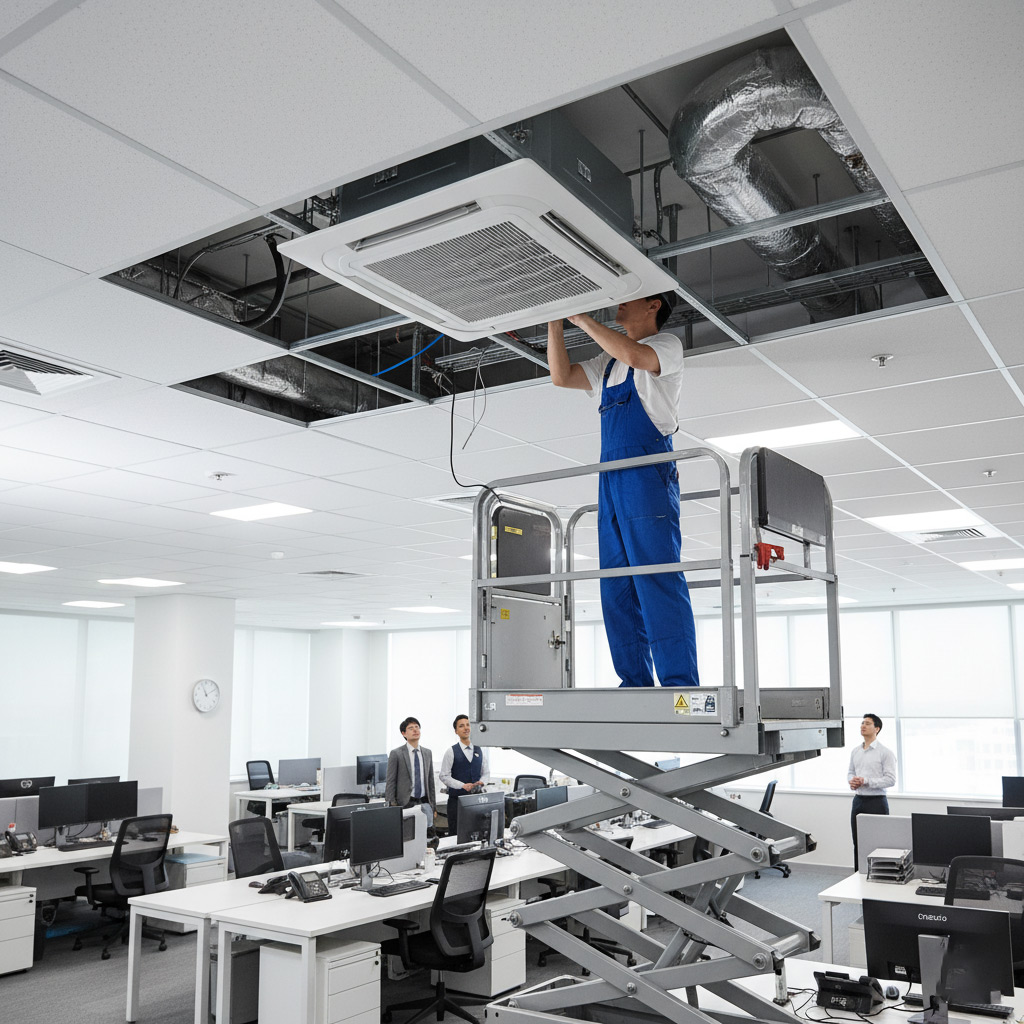
The Domino Effect: How Ignoring Minor Furnace Issues Leads to Major Headaches
That subtle groan or faint rumble you're hearing isn't just an isolated incident; it's a precursor. Think of your furnace as a complex system of interconnected parts. When one component starts to struggle, it rarely does so in isolation. Instead, it puts undue stress on other parts, forcing them to compensate or work harder, creating a chain reaction of wear and tear.
Consider a dirty air filter – a small, easily fixed problem. Left unaddressed, that restricted airflow forces your furnace to overwork. This constant strain can lead to:
- An overheated heat exchanger, which is a dangerous and costly repair.
- A burnt-out blower motor, suddenly costing hundreds for a replacement.
- Increased energy consumption, meaning higher utility bills every month until it gives out.
Ignoring those initial "whispers" isn't just about escalating repair costs; it's about comfort and safety. A small issue, like a deteriorating component, can lead to complete system failure when you least expect it – usually on the coldest night. Worse, some minor issues, like a tiny crack in the heat exchanger, can become a carbon monoxide leak, turning a simple maintenance oversight into a serious health hazard. It's a gamble you simply can't afford to take.
From Whisper to Roar: The Unavoidable Need for Professional Gas Furnace Repair
You've heard the whispers, maybe even some unsettling groans. Now, let's talk about what happens when those subtle calls for help escalate into a full-blown breakdown – or worse, complete silence. While some folks consider a DIY fix, especially with a quick YouTube search, your gas furnace isn't a simple appliance. It’s a complex system, and frankly, it demands professional attention.
Modern gas furnaces contain intricate components: delicate gas lines, precise electrical wiring, and high-temperature combustion chambers. Attempting a repair without proper training, specialized tools, or diagnostic equipment is incredibly risky. You aren't just potentially making the existing issue worse; you're creating significant safety hazards, including carbon monoxide leaks or fire risks, for everyone in your home.
This isn’t about fear-mongering; it’s about practical reality and your family’s well-being. A certified HVAC technician, particularly one experienced with Tampa’s unique climate demands, brings a crucial combination of expertise and equipment. They can:
- Accurately diagnose hidden problems.
- Safely handle gas lines and electrical connections.
- Ensure your furnace meets all safety standards.
- Restore your system to optimal, efficient operation.
Investing in professional repair isn't an expense; it's an intelligent safeguard. It ensures your furnace is fixed right the first time, preventing recurring issues and unexpected, often more costly, emergency breakdowns exactly when you need warmth most.
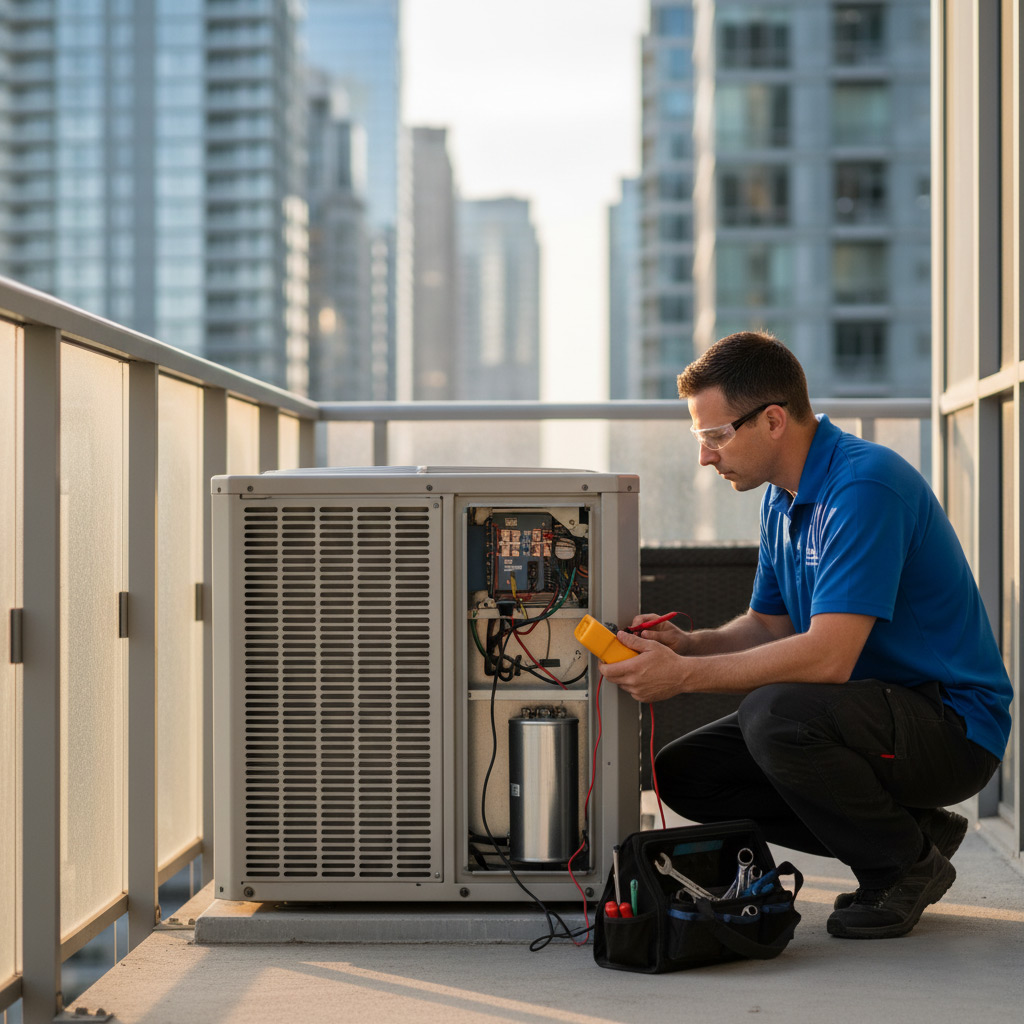
Typical Tampa Troubles: Common Gas Furnace Repair Issues We See
Here in Tampa, our gas furnaces don't always get the year-round workout like those up north. This seemingly easy life can actually create its own set of problems, especially when systems sit idle for months. Then, when that first real chill hits, everything goes haywire.
One of the most common calls we get is about a furnace that simply won't ignite or produce heat. Often, it boils down to the ignition system. Whether it's a dirty or faulty flame sensor, a problem with the pilot light itself, or issues with the igniter, these small parts are critical for getting your furnace to kick on.
The Usual Suspects: More Frequent Fixes
-
Clogged Air Filters: This is a big one, and so easy to forget. A dirty filter chokes off airflow, forcing your furnace to work overtime. This not only wastes energy but can lead to overheating and premature wear on components like the blower motor.
-
Thermostat Malfunctions: Sometimes the issue isn't even the furnace. A miscalibrated or faulty thermostat can send incorrect signals, or no signals at all, leaving your home cold. It’s often a quick fix, but you need someone to diagnose it correctly.
-
Blower Motor Issues: If your furnace sounds like it’s struggling to push air, or you hear strange noises, your blower motor might be wearing out. Bearings can fail, or capacitors can go bad, stopping the fan from circulating the warm air your furnace produces.
-
Furnace Cycling On and Off (Short Cycling): This often points to issues like a dirty filter, an oversized unit, or a faulty high-limit switch. It’s inefficient and puts unnecessary stress on your system.
These aren't exotic breakdowns; they’re the everyday problems we routinely solve for Tampa homeowners. The good news? Catching these issues early means a simpler, less expensive repair.
Case Study: Bringing Warmth Back to a South Tampa Home
Imagine Sarah, a busy mom in Bayshore Beautiful, enjoying a typical Tampa November evening. Her gas furnace started making a soft, rhythmic thump – barely noticeable, but definitely there. She shrugged it off, thinking it was just 'settling' – a common mistake many folks make when their heating isn't a daily necessity.
Then came the inevitable. A true cold front rolled through, and Sarah’s furnace sputtered to a halt, leaving her family shivering. Our technician quickly identified a failing blower motor bearing – precisely what that initial thump was warning about. What could have been a quick, localized fix had now become a more involved repair, as the strained motor had also impacted a capacitor.
The good news? We got Sarah's system back up and running promptly, restoring comfort to her home. The key takeaway from this, and countless other scenarios we see, is that those little sounds are not just noise; they're critical messages from your system. Ignoring them allows small issues to snowball into bigger, more expensive problems, often at the least convenient time.
Summary
Look, the bottom line is simple: even in sunny Tampa, your gas furnace plays a critical role in your home's comfort. Those subtle sounds or minor quirks aren't just background noise. They are genuine signals that your heating system needs attention before a small problem escalates into a major breakdown.
Ignoring these signs doesn't save you money; it almost guarantees you'll pay more later, often at the least convenient time. Think about it: a house without heat during a cold snap isn't just uncomfortable, it’s a miserable experience you can easily avoid. Catching issues early means you protect your investment and maintain a comfortable, warm home through our "chilly" season.
Don't gamble with your winter comfort. For any concerns, big or small, about your heating system, acting fast is always the smart play. When it comes to expert gas furnace repair, we’re here to ensure your Tampa home stays cozy and your wallet stays happy, long before the real cold hits.
People Also Ask
Why is furnace maintenance important in Tampa, even if winters are mild?
Even mild Tampa winters can bring unexpected cold snaps, making a reliable furnace essential for comfort and safety. Regular maintenance prevents inconvenient breakdowns, improves efficiency, and extends the overall lifespan of your heating system.What are common signs my gas furnace needs repair in Tampa?
Look out for unusual noises like grinding or banging, a sudden increase in energy bills, inconsistent heating, or a yellow pilot light. These symptoms often indicate underlying issues that require professional attention to prevent further damage or safety concerns.How often should I have my gas furnace inspected in Tampa?
It is recommended to have your gas furnace inspected annually, ideally before the cooler temperatures arrive in late fall. This proactive approach ensures your system is clean, safe, and operating efficiently when you need it most.What are the risks of ignoring a struggling gas furnace?
Ignoring minor furnace problems can lead to more extensive and costly repairs, or even complete system failure during a cold spell. It can also pose significant safety hazards, such as carbon monoxide leaks, if critical components like the heat exchanger are compromised.
Tampa HVAC provides professional climate control solutions, drawing on years of local experience and industry expertise. Serving the Tampa, FL community, their team is dedicated to reliable heating and cooling service.
Need HVAC?
We deliver prompt and effective solutions designed to achieve your objectives swiftly across Tampa, FL, and neighboring areas (33602, 33606, 33611, 33578, 33511).
Get an Instant Estimate