Another gorgeous Tampa day, another sneezing fit? If you’re like most residents, you’ve probably blamed the pollen, the humidity, or just resigned yourself to a life of itchy eyes and a constantly stuffed nose.
You’ve tried the meds, the nasal sprays, maybe even considered moving to a bubble. But what if the real culprit—and your secret weapon—is hiding in plain sight, working overtime right inside your own home?
That persistent cough, those relentless headaches, that nagging feeling of not being able to breathe freely in your own living room? It’s often not just what’s outside, but what’s inside your HVAC system that’s making you miserable.
Ready to finally understand why your home might be making your allergies worse, and what simple steps you can take to turn your sanctuary into an allergen-free zone?
Tampa's Allergen Assault: How Your HVAC Becomes a Co-Conspirator (or a Champion)
You know Tampa. The sun, the humidity, the year-round greenery that’s great for tourism but a nightmare for your sinuses. What you might not realize is that all that outdoor pollen, mold, and dust doesn’t just stay outside. It gets sucked right into your home, and guess what's distributing it?
Your HVAC system. It’s supposed to cool and comfort you, right? But if it’s not properly maintained, it acts like a giant vacuum cleaner for all those irritants, then a powerful fan, blowing them straight back into your living space. This turns your home into an allergen echo chamber.
Think of it: every time your air conditioner kicks on, a neglected system isn't just circulating air; it’s pushing a cocktail of allergens through your vents. This means the very system designed for your comfort could be actively making your allergies worse, day in and day out. But here's the kicker: it doesn't have to be this way.
Beyond Basic Filters: Unlocking Superior Air Purification for Allergy Relief
Most folks think changing their filter is enough. And it's a start, sure. But that flimsy fiberglass mesh you usually grab? It’s like bringing a spoon to a gunfight when it comes to Tampa's microscopic allergens.
Standard filters, often with a MERV rating under 8, mostly catch big stuff – dust bunnies, pet hair you can see. They let the really insidious particles – pollen, mold spores, and dander – sail right through your system and into your lungs.
To truly make a dent in your allergy misery, you need to think filtration efficiency. We're talking about filters with a MERV rating of 11 or higher, or even true HEPA filters for medical-grade air quality.
These specialized filters are designed with tighter pleats and electrostatically charged fibers. They're built to snag those tiny, invisible allergens – particles as small as 0.3 microns – before they ever get a chance to circulate in your home.
But superior filters are only one piece of the puzzle. For a comprehensive allergy attack plan, consider additional layers of air purification:
UV Germicidal Lights
These powerful lights, installed directly in your ductwork, destroy mold spores, bacteria, and viruses as air passes through. Think of it as sterilizing your air stream before it reaches you.
Whole-Home Air Purifiers
These advanced systems go beyond just trapping particles. Some use ionization or photocatalytic oxidation (PCO) to neutralize contaminants, odors, and VOCs (volatile organic compounds) at a molecular level. It’s about not just filtering the air, but actively cleaning it.
Combining these technologies with high-MERV filters creates a multi-layered defense. It transforms your HVAC system into an allergy-fighting powerhouse, instead of an allergen superhighway.
The Unseen Invaders: Tackling Mold, Dust Mites, and Pet Dander in Your Ductwork
You clean your floors, dust your surfaces, and wash your bedding regularly, right? But what about the hidden highways of your home – your air ducts?
These pathways, designed to deliver conditioned air, can unfortunately become the perfect breeding ground for some of Tampa's most persistent allergy triggers.
The Silent Allergy Factory in Your Walls
Think of your ductwork as an invisible circulatory system for your home’s air. Every time your HVAC system kicks on, it doesn't just push air; it can also circulate what’s living inside those ducts.
Dust mites, for instance, aren't just in your mattress; they thrive on dead skin cells and moisture, making dusty, humid duct interiors their ideal habitat.
Then there’s mold. Tampa’s notorious humidity is a huge factor here. Even a tiny leak or condensation inside your ducts creates the dark, damp conditions mold spores crave.
Once established, mold releases microscopic spores into the air you breathe, triggering respiratory issues and allergic reactions you might mistakenly blame on outdoor factors.
Pet Dander & Other Airborne Menaces
Love your furry friends? Your HVAC system might be loving their dander even more than you do.
Tiny flakes of skin and pet hair, combined with pollen and other outdoor particulates, get drawn into your return vents and then deposited throughout your ductwork.
This creates a reservoir of allergens that, with every fan cycle, are distributed right back into your living space.
This means your home, instead of being a refuge, becomes a constant source of that annoying nasal drip, itchy eyes, or persistent cough.
These unseen particles are the reason why even after a thorough house cleaning, you still might not find relief.
Humidity's Double-Edged Sword: Mastering Moisture Control for a Healthier Home
Tampa's air feels thick, right? That high humidity isn't just uncomfortable; it’s a silent partner to your allergy woes. When indoor moisture levels creep above 50-60%, your home becomes a five-star resort for unwelcome guests like mold spores and dust mites. These microscopic invaders thrive in damp conditions, multiplying rapidly and turning your cozy living space into an allergen breeding ground. You might not see them, but your immune system certainly feels their presence.
Your HVAC system isn't just for cooling; it's a powerful dehumidifier working behind the scenes. A properly functioning AC actively pulls moisture out of the air as it cools your home. However, if your system is old, undersized, or hasn't had a tune-up in ages, it might not be doing its critical job effectively. This means you could be running your AC constantly, still feeling sticky, and unknowingly creating the perfect breeding ground for respiratory irritation and persistent allergy symptoms.
To truly master moisture control and reclaim your home, you need an HVAC system that's up to Tampa's unique challenge. High-efficiency HVAC units with advanced dehumidification modes can make a world of difference, working smarter, not just harder. For homes with persistent humidity issues, consider integrating a supplemental whole-home dehumidifier or upgrading to smart thermostats that can monitor and adjust humidity levels automatically. Regular, professional HVAC maintenance is your absolute key to ensuring your system efficiently removes moisture, keeping those troublesome allergens at bay and allowing you to breathe easier, finally.
A Breath of Fresh Air: How We Transformed One Tampa Home into an Allergy-Free Haven (Case Study)
Meet the Rodriguez family, typical Tampa residents living just off Bayshore Boulevard. Like many of you, they adored the Florida lifestyle but found themselves battling constant indoor allergies, despite immaculate cleaning habits and a stash of antihistamines.
Their home, they thought, was their refuge, yet it often felt like an allergen trap. The culprit? An aging HVAC system with neglected ductwork that had silently become a breeding ground for dust mites, pet dander from their beloved retriever, and even hidden mold spores thriving in our notorious humidity.
The Solution We Implemented:
Our team conducted a thorough assessment, revealing the unseen invaders. Our plan of attack was multi-faceted, focusing on immediate remediation and long-term prevention:
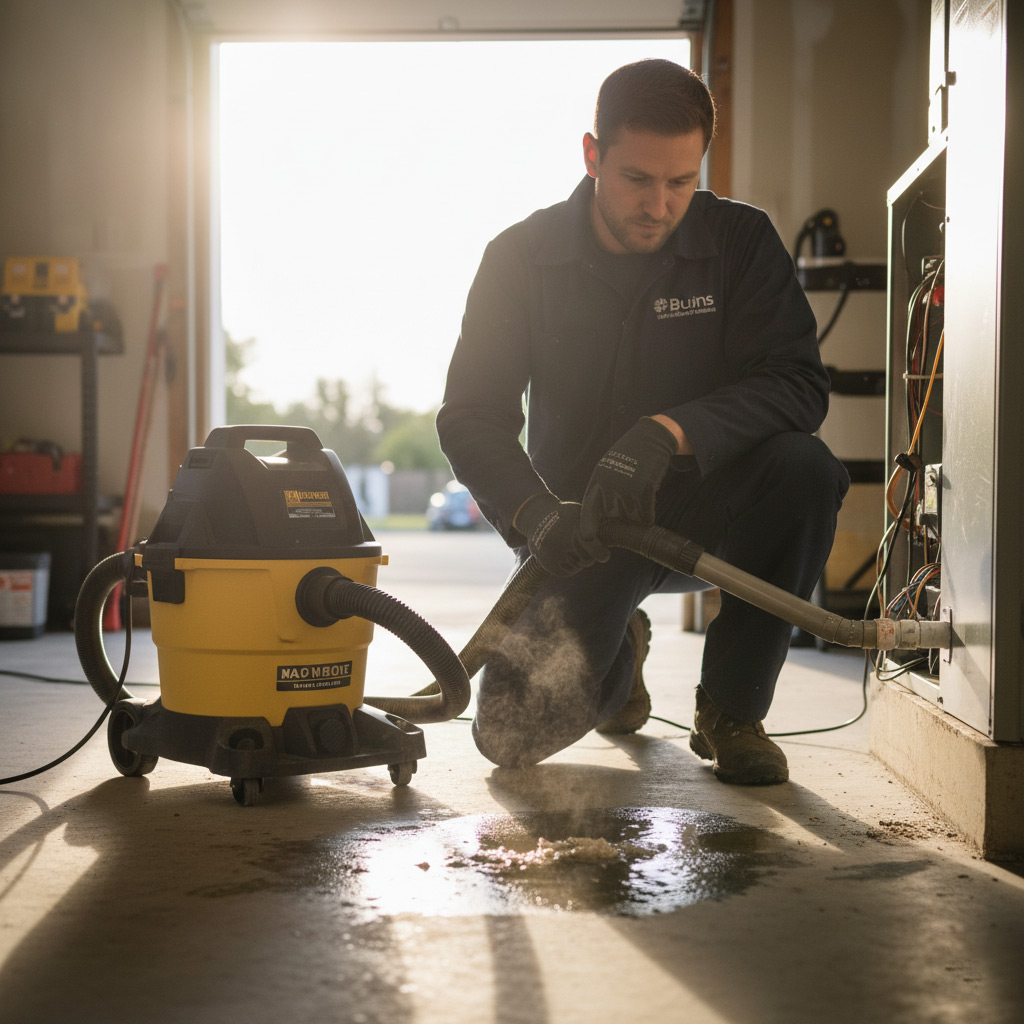
- Precision Duct Cleaning: We performed a meticulous cleaning of their entire duct system, vacuuming out years of accumulated allergens. It was a serious job, leaving the ducts spotless.
- Advanced Filtration Upgrade: We replaced their standard filter with a high-efficiency MERV 13 filter, designed to capture microscopic particles that ordinary filters miss.
- UV Germicidal Light Installation: To neutralize airborne mold, bacteria, and viruses, we installed a powerful UV light directly within their air handler. It became a silent, round-the-clock defense system.
- Humidity Control Optimization: We calibrated their system's humidity settings and advised on proper thermostat usage to keep indoor moisture levels precisely where they needed to be – below 50%.
The results were not just noticeable; they were transformative. Within weeks, Mrs. Rodriguez reported a dramatic reduction in her family's allergy symptoms. Her kids were sleeping better, the dog dander issues were vastly reduced, and for the first time in years, they could truly breathe easy indoors.
Their story is a powerful reminder: your HVAC system isn't just about cooling. When properly maintained and upgraded, it becomes your home's most potent weapon against Tampa's relentless allergen assault, turning your living space into a genuine sanctuary.
Your HVAC Maintenance Checklist: Essential Steps for Year-Year Allergy Defense
You’ve seen how your HVAC can either be your worst enemy or your strongest ally in the war against Tampa allergies. The difference? Proactive, consistent maintenance. This isn't just about keeping your system running; it's about protecting your health and ensuring every breath you take inside your home is clean.
Think of it like this: you wouldn't drive your car for years without an oil change and expect it to run perfectly. Your HVAC system is no different, especially when its performance directly impacts the air quality you and your family breathe 24/7.
Non-Negotiable Steps for Allergy-Proofing Your Home
-
Regular Filter Changes (and the Right Kind!): This is your first line of defense. A dirty filter can’t trap allergens, and the wrong filter won't even try. We recommend checking your filter monthly and changing it every 1-3 months, especially during peak allergy seasons or if you have pets.
But don't just grab any filter! Look for a MERV (Minimum Efficiency Reporting Value) rating between 8 and 11. Higher MERV filters capture smaller particles like pollen, mold spores, and pet dander. Too high, however, and you could restrict airflow, damaging your system.
-
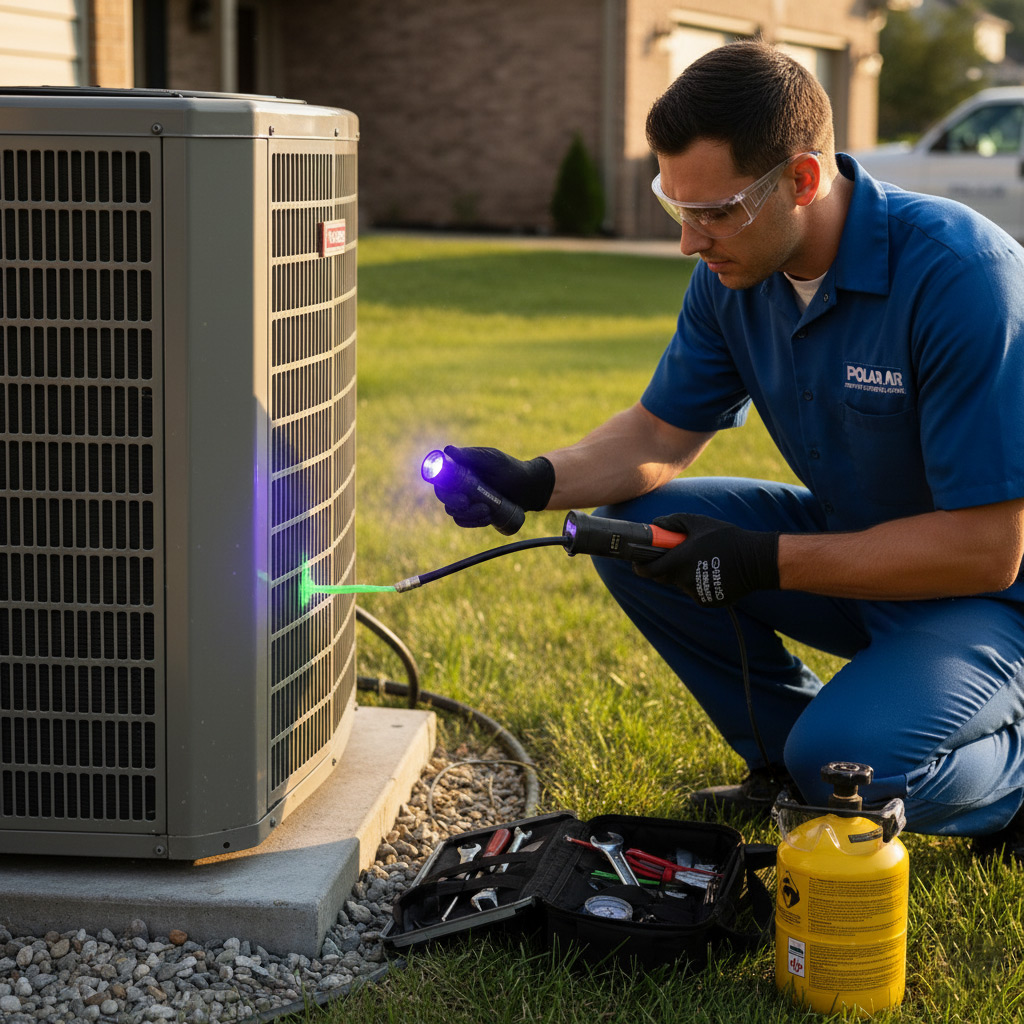
Professional Tune-Ups, Twice a Year: An annual or bi-annual system check isn't a luxury; it's a necessity. Our certified technicians will inspect, clean, and optimize your entire system, catching potential issues before they become allergen-spreading disasters.
This includes checking refrigerant levels, electrical components, and importantly, cleaning the evaporator coil – a notorious breeding ground for mold if neglected. A well-tuned system operates better and filters air more effectively.
-
Ductwork Inspection & Cleaning: Your ductwork is like the lungs of your home. Over time, it collects dust, dander, mold spores, and other debris. Every time your system kicks on, these contaminants are blown straight into your living spaces.
If you haven't had your ducts cleaned in years, or ever, it's likely a significant source of your indoor allergy issues. Professional duct cleaning removes these hidden reservoirs of allergens, giving you a truly fresh start.
-
Humidity Control Check: As we discussed, humidity is a major player in mold and dust mite proliferation. Part of your professional HVAC tune-up should include checking your system's ability to dehumidify.
If your AC isn't managing humidity effectively, an independent dehumidifier or a whole-home dehumidification system might be the ultimate game-changer for your allergy comfort.
Final Words
You’ve likely endured too many seasons blaming just the outdoor elements for your misery. What we’ve laid out for you today isn't just theory; it's the stark reality of how your home's central system directly impacts your well-being.
Ignoring your HVAC isn't just risky for your wallet down the line. It's an open invitation for a host of allergens and irritants to set up shop right where you live, work, and sleep.
Think beyond just a cool breeze. Consider your HVAC as your home's lung, constantly filtering and circulating the air you breathe every single second.
When it’s properly maintained and equipped, it’s not just a comfort system; it’s a proactive health measure, actively reducing the very things that trigger your worst allergy symptoms.
You don't have to surrender to Tampa's persistent allergy problems. The solution is within your grasp, starting with a strategic approach to your indoor air quality.
Ready to turn your home into a true sanctuary? Explore our HVAC Maintenance services and talk to our experts about transforming your system into your strongest allergy defense. It’s time to breathe freely again.
People Also Ask
How does regular HVAC maintenance help alleviate allergies in Tampa?
Regular HVAC maintenance ensures your system efficiently filters out common Tampa allergens like pollen, mold spores, and dust. It also identifies and addresses issues like dirty coils or leaky ducts that can contribute to allergen circulation, keeping your indoor air cleaner and healthier.What types of HVAC filters are most effective for reducing allergy symptoms?
High-efficiency filters, specifically those with a MERV rating of 11 or higher, are highly effective at trapping small allergen particles. HEPA filters offer the best filtration, removing up to 99.97% of airborne allergens, though they may require system modifications.Can professional duct cleaning significantly improve indoor air quality for allergy sufferers?
Yes, professional duct cleaning removes accumulated dust, pet dander, mold, and other allergens trapped within your ductwork. This prevents these irritants from being recirculated throughout your home, leading to a noticeable improvement in air quality and reduced allergy symptoms.How does controlling indoor humidity with my HVAC system impact allergies?
Maintaining optimal indoor humidity (between 40-50%) with your HVAC system significantly reduces the growth of mold and dust mites, two major allergy triggers. Your system's dehumidification function or a whole-home humidifier can prevent these allergens from thriving.How often should HVAC systems be maintained in Tampa to minimize allergy triggers?
For optimal allergy relief in Tampa, it's recommended to have your HVAC system professionally maintained twice a year—once before the cooling season and once before the heating season. This ensures peak performance in filtering allergens and controlling humidity year-round.
Tampa HVAC provides dependable heating and cooling services, informed by extensive industry experience. They are a dedicated local presence, serving the comfort needs of Tampa, FL residents.
Need HVAC?
We deliver prompt and effective solutions designed to achieve your objectives swiftly across Tampa, FL, and neighboring areas (33602, 33606, 33611, 33578, 33511).
Get an Instant Estimate