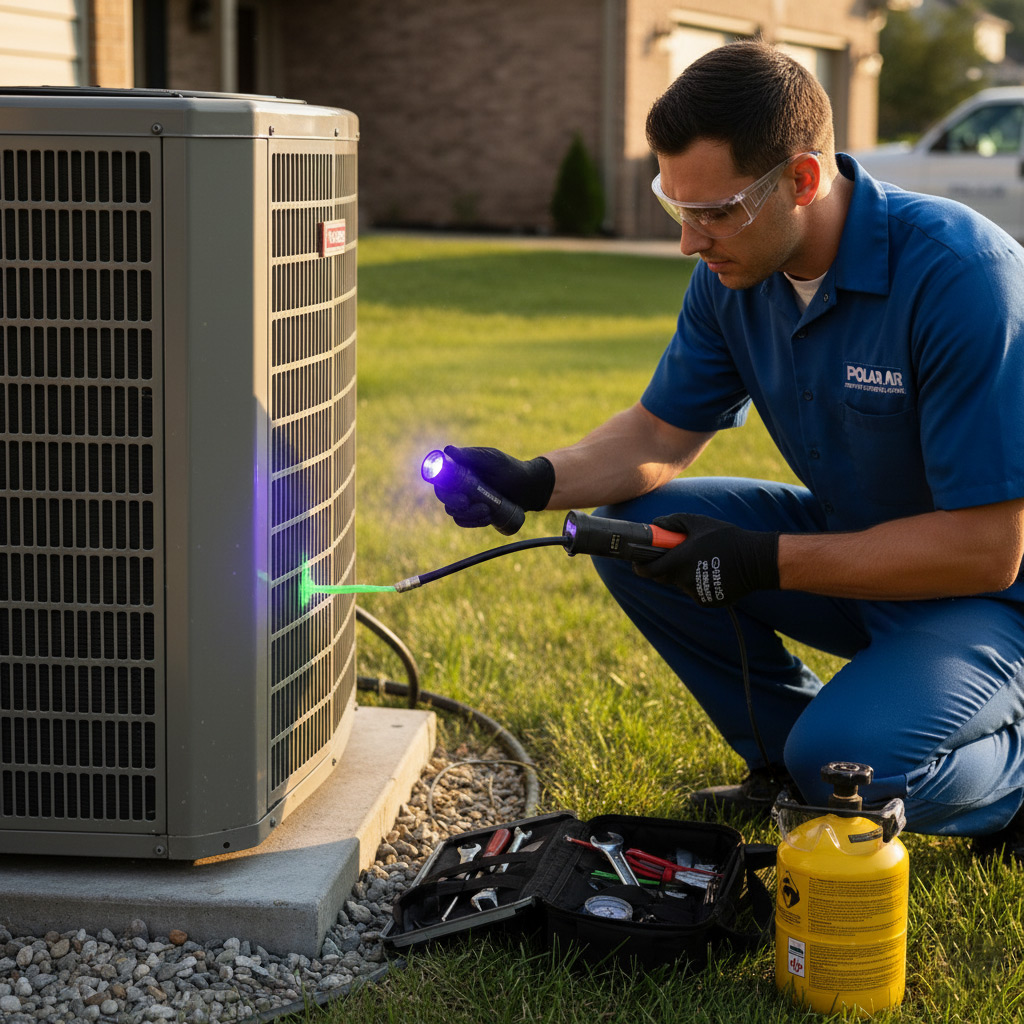
The Tampa heat is no joke, especially when your AC decides to quit. Instantly, you’re picturing sky-high repair bills and wondering if you’re about to get taken for a ride.
It’s a nasty feeling, knowing you’re desperate for cool air but completely at the mercy of whoever shows up at your door. What if there was a way to truly understand what's happening with your system before you even think about handing over your credit card?
Forget the guesswork and say goodbye to that uneasy gut feeling. We’re about to pull back the curtain on common AC repair myths, expose typical technician tricks, and equip you with the insider knowledge to protect your wallet and your comfort.
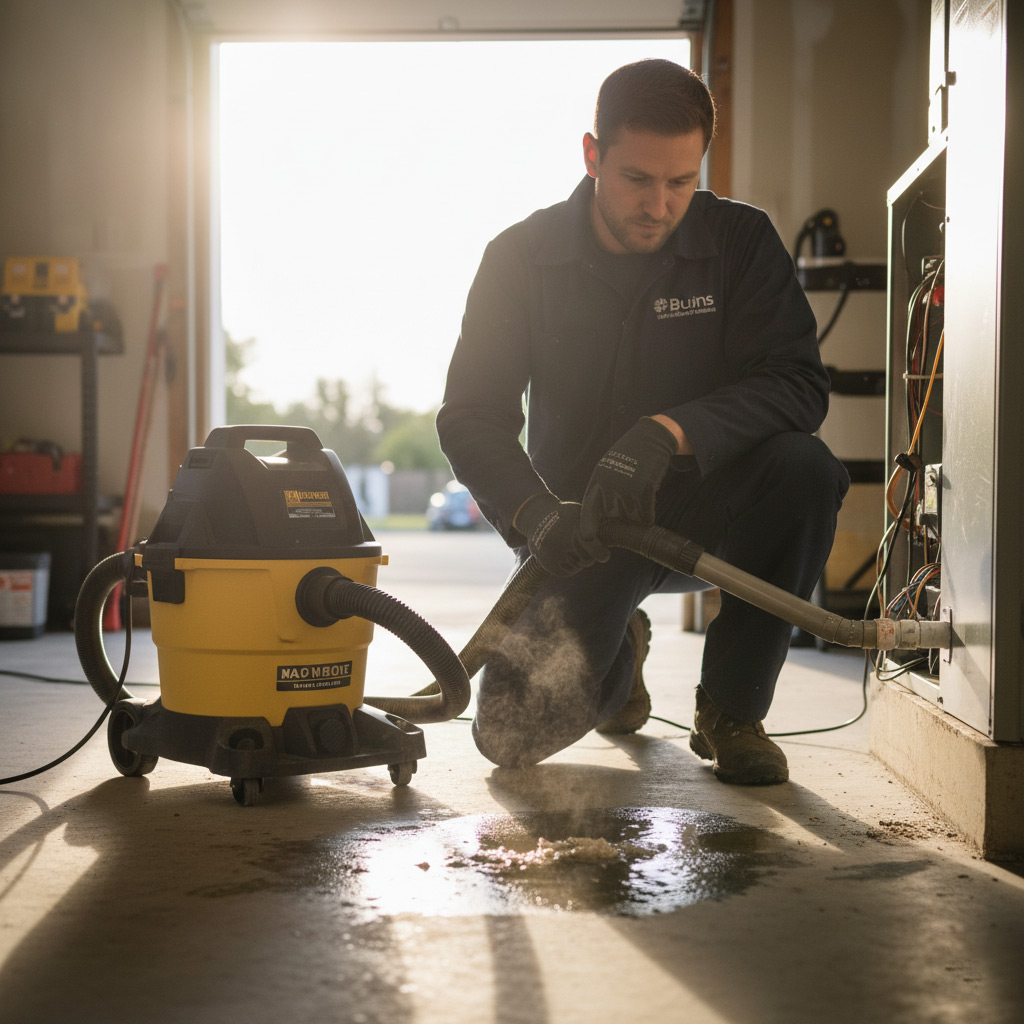
Beyond the Obvious: Early Warning Signs Your AC is Struggling (and What You Can Check First)
Before your AC officially dies and leaves you sweating through your sheets, it usually sends out distress signals. Most people ignore these subtle hints, only to face a bigger, more expensive problem later.
Paying attention now could save you a significant headache and hundreds, if not thousands, in unnecessary repairs. Think of your AC as having a conversation with you; it’s telling you something’s off.
So, what should you be looking for? It's more than just warm air. Here are the key indicators and some simple detective work you can do yourself:
Listen and Look: Your AC's Secret Language
- Increased Energy Bills: Did your power bill suddenly jump, even though the weather hasn't changed dramatically? Your AC might be working overtime to achieve the same cooling effect, meaning it's struggling. This is a silent but deadly warning.
- Strange Noises: A well-running AC should be fairly quiet. If you hear grinding, squealing, clanking, or bubbling, that’s your system screaming for help. Don't ignore these sounds; they often point to mechanical issues.
- Weak Airflow: Put your hand to a vent. Is the air coming out as strong as it used to be? Weak airflow can mean a clogged filter, blocked ducts, or even a fan motor issue.
- Short Cycling: Does your AC turn on, run for a very short time, and then shut off, only to repeat the cycle minutes later? This "short cycling" puts immense stress on the compressor and wastes energy.
- Unusual Odors: Musty smells can indicate mold or mildew in the ducts or evaporator coil. A burning smell? That’s an immediate call-to-action, pointing to electrical problems.
Your First Line of Defense: Simple Checks Before the Call
Before you panic and dial a technician, there are a few straightforward things you can investigate. These quick checks often solve common problems and can prevent an unnecessary service call.
- Check Your Thermostat: Is it set to "cool" and at a temperature lower than the current room temperature? Sometimes it's as simple as someone accidentally bumping the settings. Also, ensure the batteries aren't dead if it’s a wireless unit.
- Inspect the Air Filter: This is the number one culprit for many AC issues. A clogged filter restricts airflow, forcing your system to work harder, leading to poor cooling and higher bills. Pull it out; if it’s dark and furry, replace it immediately.
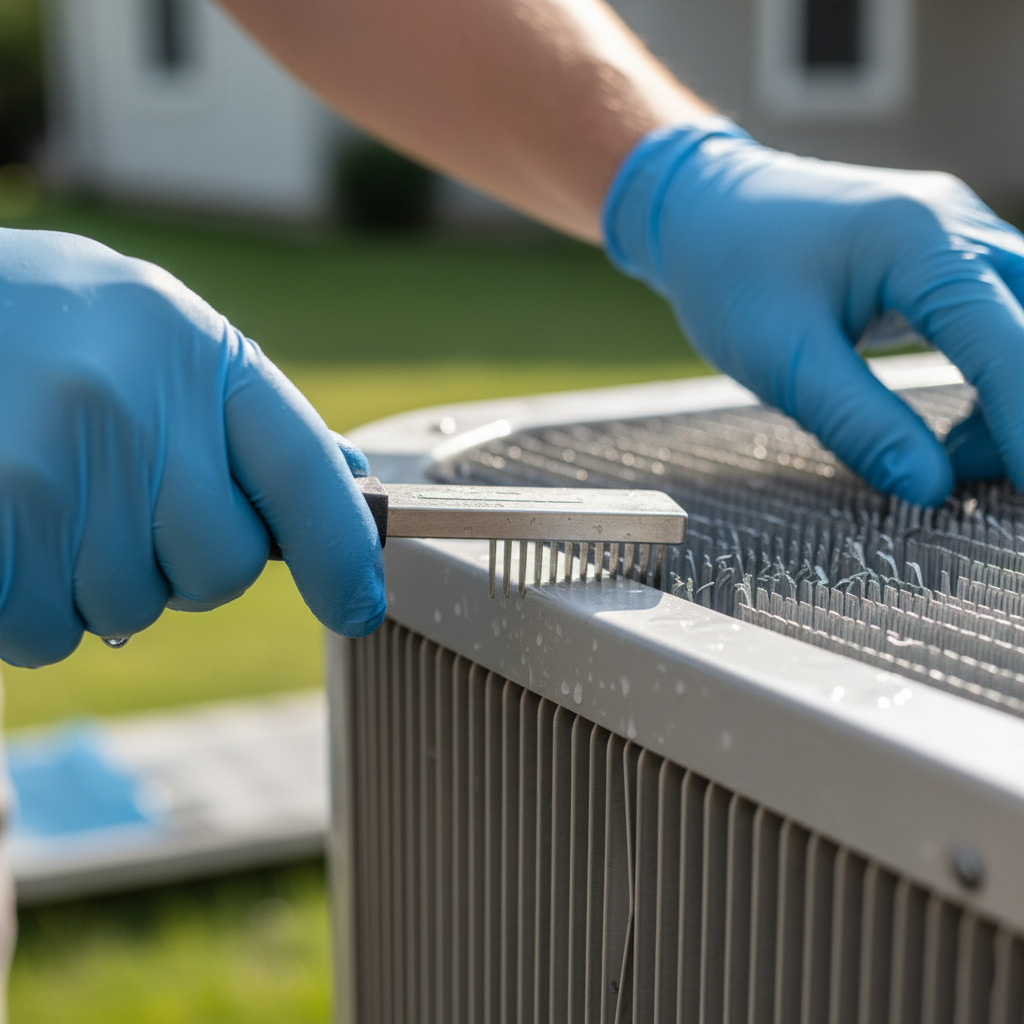
- Clear the Outdoor Unit: Your condenser unit outside needs breathing room. Leaves, grass clippings, dirt, and debris can block airflow, making the unit overheat and run inefficiently. Carefully clear away any obstructions.
- Reset the Breaker: Locate your home’s electrical panel. Sometimes, a tripped breaker can be the simple reason your AC isn't turning on. Flip the breaker for your AC unit off for 30 seconds, then back on.
These initial steps empower you with valuable information. You’ll either solve the problem yourself or have a much clearer idea of what to tell a technician, which puts you in a stronger negotiating position.
Debunking the Biggest AC Repair Myths That Cost You Money
Here in Tampa, when your AC struggles, you hear all sorts of advice. Much of it is flat-out wrong and designed to lighten your wallet. One of the biggest myths? That your system "just needs more Freon" or refrigerant as part of routine maintenance. This is a classic trick.
Your AC is a closed system. If it's low on refrigerant, there's only one reason: a leak. A professional technician doesn't just "top you off" and disappear. They find the leak, repair it properly, and *then* recharge the system. Anyone who just adds refrigerant without addressing the leak is setting you up for another costly service call in a few months. That's money down the drain.
Another myth that costs homeowners thousands is: "Your unit is too old; you need a new one." While age is certainly a factor, it's not the *only* factor. Many units, even those a decade or more old, can be perfectly functional with a targeted repair.
- Has your unit been regularly maintained?
- Is the current issue minor, like a capacitor or a specific sensor?
- Are you getting a second opinion?
Some technicians are quick to push a new system sale, often because commissions are higher. Always demand a clear explanation of *why* a repair isn't viable and get a second, unbiased opinion before you commit to a five-figure replacement you might not need. Don't let fear of the heat push you into a rushed, expensive decision.
Spotting the Scams: Red Flags and Common Technician Tricks to Avoid
You’re sweating, your AC is dead, and the last thing you need is some slick operator trying to fleece you. Unfortunately, the HVAC industry, like any other, has its share of bad apples. Knowing what to look for can save you a serious chunk of change.
One of the biggest red flags? A technician who arrives and *immediately* pushes for a full system replacement without a thorough diagnostic. Another classic is the "diagnostic fee" that's suspiciously low or even free, only to be followed by an outrageous repair quote. Remember, quality service comes with a fair price, and reputable companies charge for their expertise in troubleshooting.
Watch Out For These Shady Tactics:
- The "Refrigerant Refill" Loop: They add refrigerant, but magically "can't find the leak." This is a classic move to get repeat service calls and charge you repeatedly for the same issue without a permanent fix. A true professional finds and repairs the leak.
- The "Must Replace Everything" Pitch: Your AC might need a component, not a complete overhaul. Be wary of anyone claiming your entire system is "shot" or "unsafe" after a quick glance, especially if they haven't run proper tests.
- Cash-Only Demands & No Written Estimates: If they only accept cash, or refuse to provide a detailed, written estimate before starting work, run for the hills. This is a clear sign they’re trying to avoid accountability and potentially taxes.
- Creating Problems: Yes, it happens. Some unethical technicians might *cause* a minor issue to upsell a larger, unnecessary repair. *Always* ask to see the broken part, if applicable, and question anything that feels off.
Don't let desperation turn you into an easy mark. A little skepticism and knowing these common pitfalls will empower you to say "no" to the sharks and protect your hard-earned money.
The Honest AC Diagnostic: What a Reputable Technician *Should* Do (and Why It Matters)
When a truly reputable AC technician arrives, they aren't just looking for the quickest fix. They’re detectives, systematically investigating your entire cooling system to pinpoint the root cause of the problem, not just its symptoms. This isn't a quick glance; it's a comprehensive process designed to save you headaches and money down the line.
A thorough diagnostic begins with listening to your concerns, then moves to a detailed inspection of both your indoor and outdoor units. They’ll check everything from your thermostat settings and air filter condition to refrigerant levels, electrical connections, and crucial components like the compressor, condenser coil, and evaporator coil. This comprehensive approach ensures they don't miss a hidden issue that could cause another breakdown in weeks.
Once they've identified the problem, an honest technician will explain their findings to you in plain English, not technical jargon. They'll outline your repair options, discuss the pros and cons of each, and provide a transparent, written estimate *before* any work begins. This commitment to clarity and upfront pricing means you always know what you're paying for and why, empowering you to make the best decision for your home and your budget.
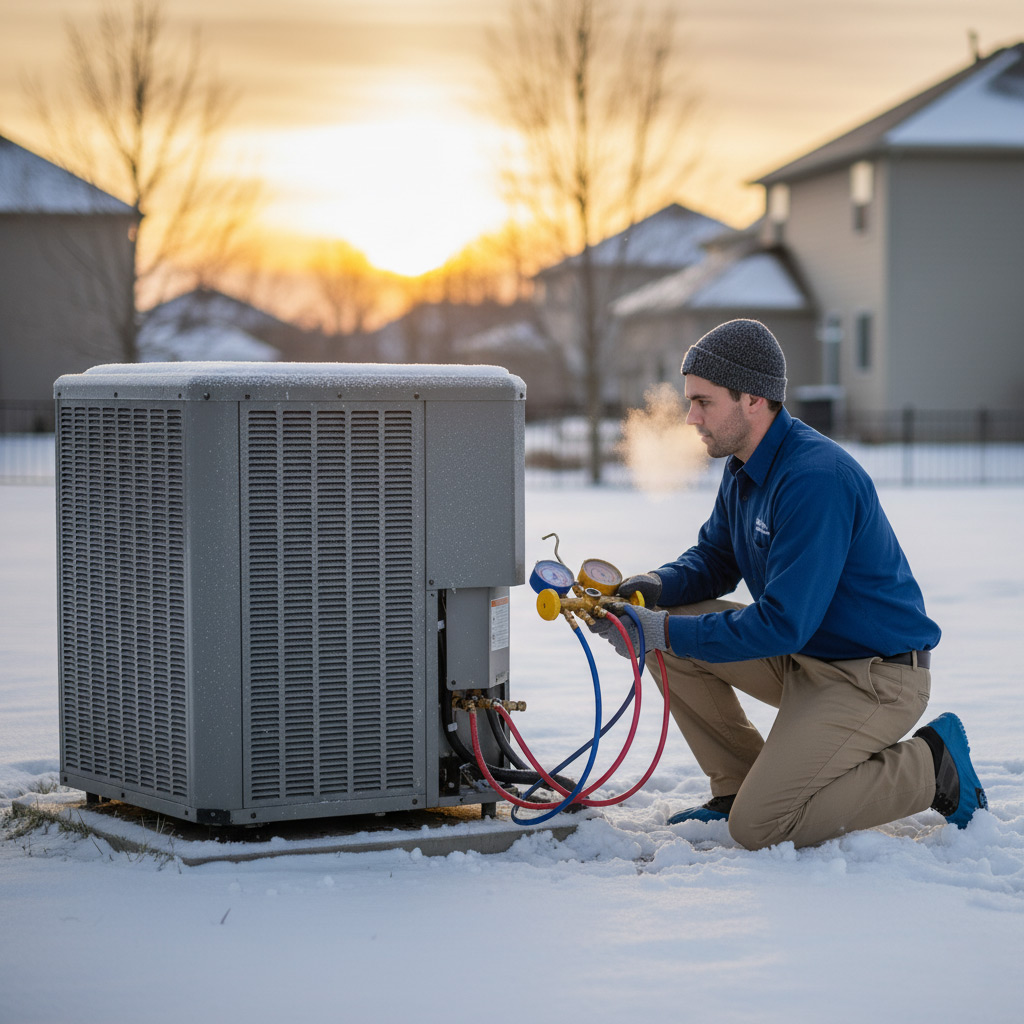
Understanding AC Repair Costs: Navigating Quotes and Avoiding Hidden Fees
When your AC breaks, getting a quote feels like a lottery. It shouldn't be. A trustworthy technician provides a detailed, written estimate before any work begins, clearly itemizing parts and labor. Don’t settle for a verbal estimate scribbled on a napkin; you need a breakdown you can hold them accountable to. This transparency is your first line of defense against unexpected charges.
Watch out for red flags that scream "hidden fees." Does the quote include a vague "miscellaneous" charge or an unusually high "diagnostic fee" that isn't waived with repair? Some companies charge a hefty trip fee *and* a diagnostic fee. Insist on knowing if the diagnostic charge is applied to the repair cost. A reputable company often offers a competitive diagnostic fee that rolls into the total if you proceed with their service. Always get at least two estimates for major repairs; it gives you leverage and perspective.
Here’s what a solid quote should clarify:
- Exact parts needed: Not just "fan motor," but specific model numbers if possible.
- Labor costs: Clearly stated hours or a flat rate for the specific repair.
- Warranty information: On both parts and labor, crucial for peace of mind.
- Total price: All-inclusive, no surprises after the work is done.
Never feel pressured to approve a repair on the spot. Take a moment to review the quote, compare it to others, and ask every question you have. Your wallet will thank you.
Case Study: How Knowing the Truth Saved a Tampa Homeowner Thousands
Picture this: Sarah, a homeowner in South Tampa, wakes up to a sweltering house. Her AC is blowing air, but it’s as warm as the morning sun. Panic sets in, and she calls the first AC company that pops up in her search results. The technician arrives, spends fifteen minutes looking around, and drops the bomb: "Your compressor is shot. You're looking at a $4,500 replacement, maybe more if we find other issues."
Sarah was devastated, but something felt off. The technician didn’t show her anything specific, just a vague diagnosis. Instead of signing on the dotted line, she remembered reading about these exact scenarios. She decided to pause and get a second opinion. This isn't just about saving money; it’s about having the power of information when you're feeling vulnerable.
She called a different, highly-rated local company. Their technician arrived, performed a complete diagnostic check, including:
- Checking refrigerant levels properly
- Testing the capacitor
- Inspecting the outdoor unit's coils and fan
- Verifying the thermostat settings
The real culprit? A simple, failed capacitor – a part that costs under $100 and takes less than an hour to replace. The total bill, including labor and parts, was less than $300. Sarah saved over $4,000 simply by knowing what to look for and refusing to accept the first high-pressure, vague diagnosis. This isn't a rare story; it happens in Tampa more often than you think.
Final Words: Empowering Your AC Repair Decisions.
You've just armed yourself with powerful knowledge. No more guessing games when your AC starts acting up. Now, you can spot the early warnings, call out the common myths, and quickly identify any shady repair tactics. This isn't just about saving money; it's about reclaiming peace of mind in your own home.
Remember, an informed homeowner is a protected homeowner. When you understand the basics of your AC system, you gain control over the repair process. You can ask the right questions, verify diagnoses, and ultimately choose a technician you truly trust, not just the first one you call. For comprehensive and honest air conditioning repair, knowing what to expect is your strongest defense.
So, next time your Tampa AC falters, take a deep breath. You’re no longer a helpless victim of the heat or predatory pricing. You're empowered with the truth, ready to make smart decisions that keep your home cool and your wallet intact.
People Also Ask
How much does AC repair typically cost in Tampa, FL?
AC repair costs in Tampa can vary widely, typically ranging from $150 for minor fixes to over $1000 for major component replacements like a compressor. The exact price depends on the specific issue, part costs, and the technician's labor rates.What are some red flags to watch out for when hiring an AC repair company in Tampa?
Be wary of companies demanding upfront payment for the full job, offering extremely low initial quotes that significantly increase later, or pressuring you into immediate, expensive replacements without proper diagnosis. Unmarked vans and a lack of proper licensing are also major red flags.Can I diagnose minor AC issues myself before calling a professional technician?
Yes, you can check simple things like a tripped breaker, a dirty air filter, or a blocked condensate drain line yourself. Ensuring your thermostat is set correctly and the outdoor unit isn't obstructed can often resolve common, minor problems without a service call.What should a reputable AC technician include in a diagnostic service call in Tampa?
A reputable technician should perform a thorough system inspection, check refrigerant levels, electrical connections, and airflow, and explain their findings clearly. They should provide a written diagnosis and transparent repair quote before any work begins, allowing you to make an informed decision.How can I ensure I'm getting an honest AC repair quote in Tampa?
Always seek multiple quotes from at least two to three different, reputable companies. Ask for a detailed breakdown of parts and labor, and don't hesitate to ask questions about the recommended repairs. Check online reviews and verify licenses for added peace of mind.
Tampa HVAC brings years of professional experience to every heating and cooling project. Their certified technicians offer expert solutions for residential and commercial properties across Tampa, FL.
Need HVAC?
We deliver prompt and effective solutions designed to achieve your objectives swiftly across Tampa, FL, and neighboring areas (33602, 33606, 33611, 33578, 33511).
Get an Instant Estimate